Moody’s Assessed the Financial Resilience of UAE Developers
Autor: Redaktion von Stay PropertyVeröffentlicht: Aktualisiert:
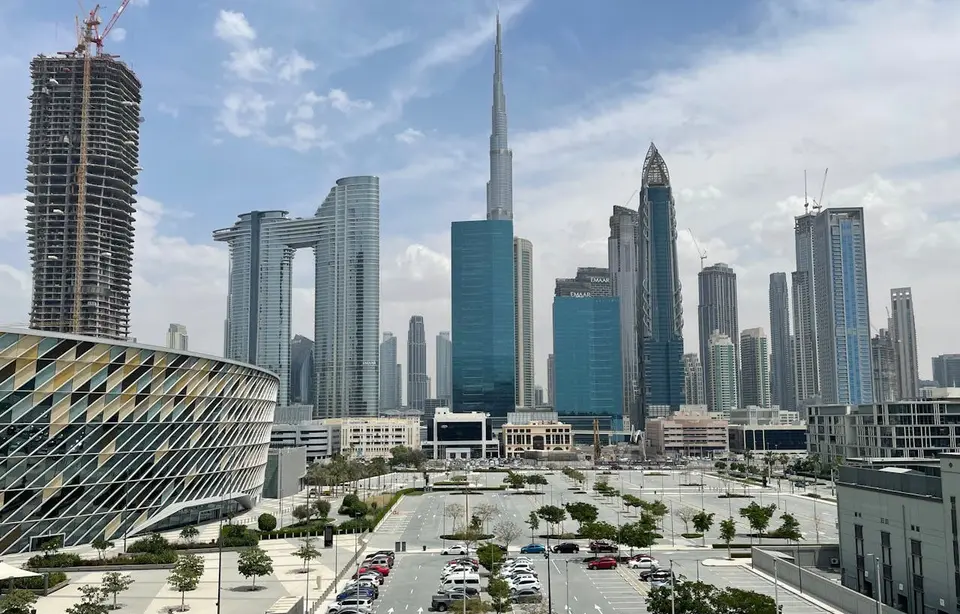
The UAE real estate market is slowing, but developers are more resilient today than in previous cycles — Moody’s Ratings agency reached this conclusion in its new analysis report. Despite the slowdown in sales velocity, developers are maintaining their strong positions. This is explained by high levels of presales, stable financial indicators, and more balanced financing models compared with previous periods. According to the agency’s assessment, the residential market is entering a natural cooling phase: population growth is stabilizing, and a significant amount of projects under construction will be completed in the coming years. Geopolitical risks in the region are also creating additional pressure. Dubai Land Department statistics show that completed real estate transactions in March and April decreased by approximately 51% compared with January and February. Sales during the construction phase also slowed, but no sharp decline in demand has been observed. Instead of reducing prices, developers are offering more flexible payment terms to maintain buyer interest without devaluing assets. Among the largest players — Emaar, Damac, Binghatti and Arada — high resilience stands out. They have a significant presales portfolio and secured predictable revenue for the next few years, reducing the impact of short-term market fluctuations. The characteristics of the financial models provide additional stability: buyers make substantial payments during the early stages of construction. This reduces dependence on external financing and supports cash flow even if sales slow. Overall, developers’ debt burden remains moderate, while their equity ratio is high. Regulatory mechanisms also play an important role: the use of escrow accounts, contractual guarantees and high down payments reduce the risk of buyers withdrawing and provide developers with flexibility in project management. Nevertheless, risks remain. In particular, possible disruptions to trade through the Strait of Hormuz could increase construction costs and affect project timelines. In addition, slower payment flows or reduced population inflows could place pressure on companies’ liquidity. Overall, although the market may cool in the short term, structural changes in financing, payment terms and regulations are making UAE developers much more resilient to external shocks than in previous years. When purchasing any apartment in Dubai, the two-year visa is the most important innovation of 2026 — it is now possible to obtain a 2-year residence visa without a minimum property value threshold. This opens the door to many more buyers. An excellent opportunity for relocation, seaside living and capital preservation in a stable jurisdiction. For real estate consultancy in Dubai, enter your phone number in the online chat on the website.