Türkiye Is Positioning Itself as Europe’s Indispensable Energy Hub and an Important Player in Regional Stability
Autor: Redaktion von Stay PropertyVeröffentlicht: Aktualisiert:
In his speech at the 2nd Istanbul Natural Resources Summit (INRES), Turkish President Recep Tayyip Erdoğan stated that Türkiye is a strategic bridge, transit hub and connecting link between energy-rich regions and countries in need of these resources. Erdoğan emphasized that the country has proven itself to be a reliable partner in energy transportation and an important participant in peace processes in the region. “Türkiye plays a key role in ensuring global energy security. We have once again confirmed our indispensability in reliable energy supply,” Erdoğan said.
Extensive Infrastructure and Energy Hub Status
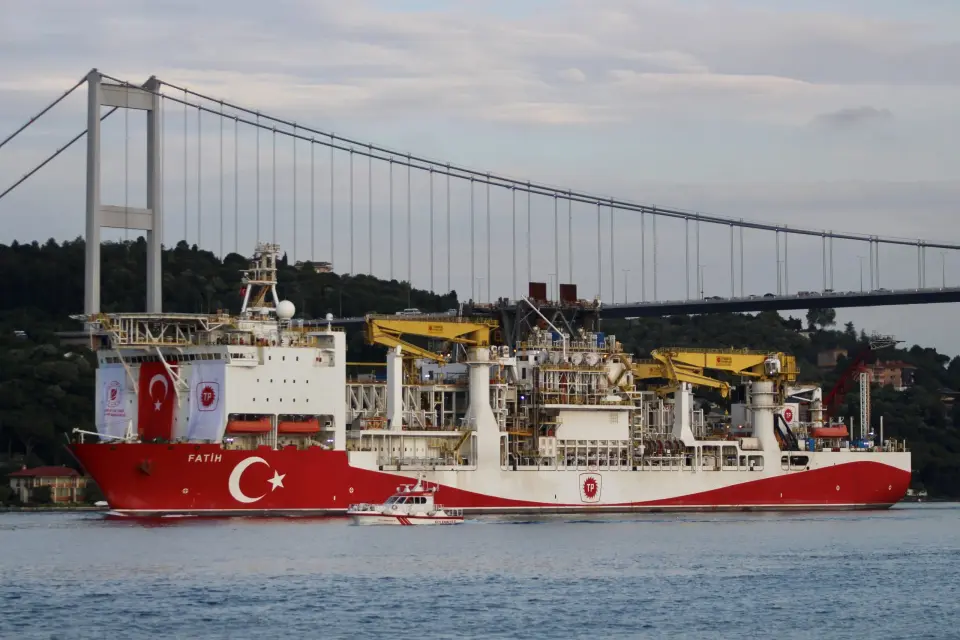
Türkiye has one of the most advanced energy infrastructures in the region. The country procures natural gas from more than 50 companies in 39 countries. Thanks to modern LNG terminals, floating storage and regasification units (FSRUs), significant investments in underground storage facilities and an extensive pipeline network, Türkiye has become one of Europe’s largest energy hubs.
Erdoğan stated that Türkiye’s geographical position at the intersection of Europe, Asia and the Middle East, as well as its proximity to major hydrocarbon reserves in the Caspian Sea, the Mediterranean and the Middle East, enables Ankara to effectively connect energy producers and consumers. In the face of geopolitical instability, including risks in the Strait of Hormuz, Türkiye offers alternative and more reliable supply routes.
Cooperation with Syria in Oil and Mining
The President attached particular importance to developing relations with the new Syrian authorities. Erdoğan confirmed that Türkiye continues joint work with the Syrian government in the oil and mining sectors. “Our joint work with the new government of neighboring Syria in the fields of mining and oil continues,” he said.
This cooperation is considered part of Türkiye’s strategy to strengthen its energy independence and support the reconstruction of the country following the change of power in Syria. In early 2026, plans for signing a special agreement that could include seismic surveys and hydrocarbon production in Syria’s continental shelf in the Mediterranean had been discussed. Türkiye has already connected its gas transmission system with Syria and has begun gas deliveries.
Strategic Context and Future Plans
Erdoğan’s speech aligns with Türkiye’s long-term strategy of becoming a global player in the energy sector. Priorities include:
- Increasing domestic oil and gas production, particularly offshore projects.
- Launching and developing nuclear energy.
- Expanding renewable energy sources.
- Active participation in “Middle Corridor” projects, intended to serve as an alternative transportation and energy route between East and West.
Erdoğan has repeatedly emphasized that the successes achieved in the defense industry can also be replicated in the energy and mining sectors. Full energy independence remains one of Ankara’s most important strategic objectives.
Response and Significance
The INRES Summit brought together ministers, company executives, investors and representatives of international organizations. The event highlights Türkiye’s increasingly important role not only as a transit country but also as a mediator in resolving regional conflicts through economic cooperation.
Analysts state that at a time when global energy flows are being reshaped following developments in Syria and the Middle East, Türkiye’s position as a reliable energy hub has become particularly important for European consumers seeking to diversify their supplies. By continuing to develop active partnerships with Azerbaijan, the Gulf countries and international companies, Türkiye is reaffirming its status as a key player in ensuring the energy security of the region and Europe.